


Exploring Regenerative Fire Through Three Eye-Opening Videos
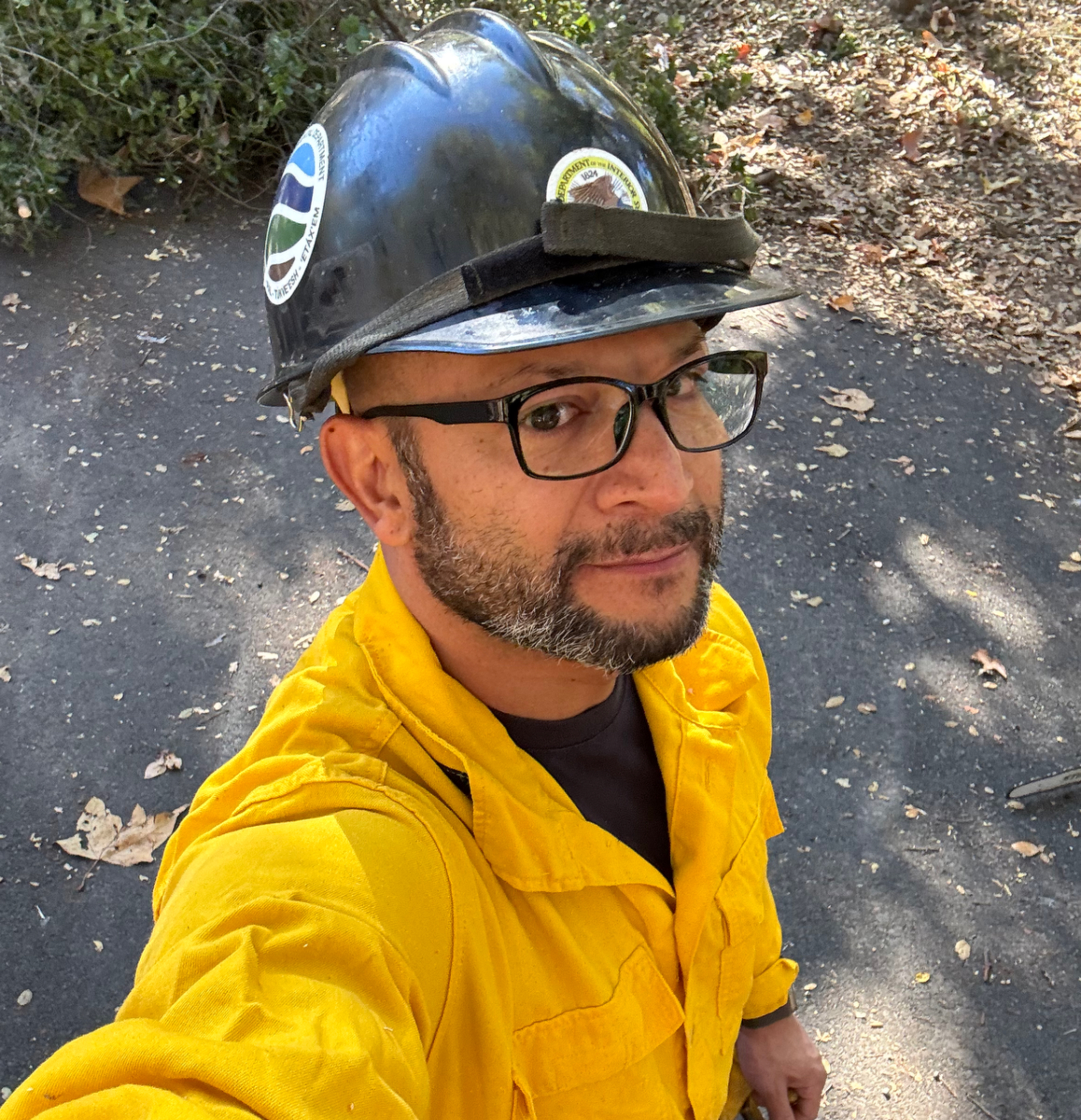
Fire often carries a negative reputation, especially in the context of wildfires and destruction. Yet, fire can also play a vital role in restoring ecosystems and maintaining healthy landscapes. Regenerative fire is a practice that uses controlled burns to support nature’s balance, improve soil health, and reduce the risk of catastrophic wildfires. This blog post explores three compelling videos that shed light on regenerative fire, its benefits, and how it is shaping land management today.
Understanding Regenerative Fire and Its Role in Ecosystems
The first video introduces the concept of regenerative fire and explains how it differs from destructive wildfires. Controlled burns mimic natural fire cycles that many ecosystems evolved with. These fires clear out dead vegetation, recycle nutrients into the soil, and create space for new plants to grow. The video highlights how Indigenous communities have long used fire as a tool to manage the land sustainably.
Key points from the video include:
Regenerative fire helps prevent the buildup of fuel that can lead to uncontrollable wildfires.
It supports biodiversity by encouraging a variety of plant species to thrive.
Fire can improve soil quality by releasing nutrients locked in old plant material.
This video sets the foundation for understanding why fire, when managed carefully, is a powerful ally in land stewardship.
How Regenerative Fire Protects Water and Land
The second video focuses on the connection between fire, water, and land health. It explains how regenerative fire practices help protect watersheds and improve water quality. When fire removes dense underbrush, it reduces competition for water among plants and allows rainwater to penetrate the soil more effectively.
Highlights from this video include:
Controlled burns reduce erosion by maintaining healthy ground cover.
Fire-managed landscapes absorb and filter rainwater better, benefiting nearby streams and rivers.
Restoring natural fire cycles supports wildlife habitats and plant diversity.
The video also shares stories from land managers working in the western United States who use fire to restore landscapes damaged by decades of fire suppression. Their work shows how fire can be a tool for healing rather than destruction.
A Closer Look at Regenerative Fire in Action
The third video offers a close-up view of regenerative fire practices in the field. It shows how fire crews carefully plan and execute controlled burns to achieve specific ecological goals. The video captures the smoke rising gently from the ground, the careful monitoring of fire behavior, and the immediate effects on the landscape.
Important takeaways include:
Controlled burns require detailed planning, including weather conditions and fuel moisture.
Fire crews work with Indigenous knowledge and modern science to guide burns.
The immediate aftermath of a burn reveals blackened earth that will soon support new growth.
This video brings the practice to life, showing the skill and care involved in using fire to regenerate ecosystems.
Why Regenerative Fire Matters Today
These videos collectively demonstrate that regenerative fire is more than just a land management technique. It is a way to reconnect with natural cycles and restore balance to ecosystems stressed by human activity and climate change. By reducing fuel loads, improving soil and water health, and supporting biodiversity, regenerative fire offers a practical solution to some of the challenges facing landscapes worldwide.
For communities living in fire-prone areas, adopting regenerative fire practices can reduce the risk of devastating wildfires while enhancing the resilience of their environment. It also honors Indigenous knowledge and practices that have sustained landscapes for generations.


Comments